Cybercab deliveries start before year end
Tesla confirms its two-seater robotaxi will reach private hands by the end of 2026, though most units will remain company-owned.
By Ken Adams ·
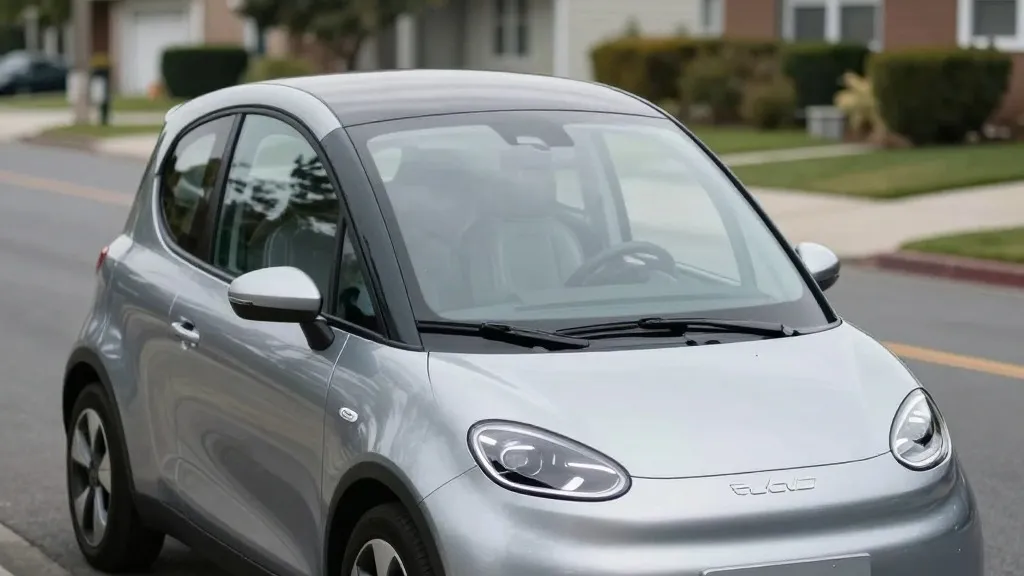
For those waiting to see if Tesla’s newest vehicle will actually reach private driveways, the speculation has officially ended. The company has confirmed that its purpose-built Cybercab will be available for purchase by customers before the calendar year ends. This marks a significant shift from previous uncertainty about whether the fully autonomous two-seater would remain strictly a fleet vehicle or become an option for individual owners.
The timeline was established during Tesla’s third-quarter 2026 earnings call held on October 21. Lars Moravy, the Vice President of Engineering, stated that the goal is to get these units into customer hands by the end of 2026. While production is currently active on the assembly line at Gigafactory Texas, Moravy noted that every unit coming off the line right now is being directed into Tesla’s internal Robotaxi fleet rather than to individual buyers.
As the operation scales up, the company plans to change this flow. Moravy explained that Tesla intends to mainly deliver fully designed autonomous vehicles to customers, with the Cybercab serving as the first model in that category. He emphasized that the initial wave of private deliveries will be small in scale. This cautious approach allows the team to gain necessary experience in handling delivery logistics, defining ownership models, and managing fleet operations for vehicles that are no longer under the company’s direct, immediate control.
CEO Elon Musk provided further context on who will actually be driving these cars. He characterized the Cybercab primarily as a 'transport-as-a-service' offering rather than a traditional personal vehicle like the Model 3, Model Y, or the upcoming Roadster. Musk clarified that the 'vast majority' of Cybercabs will remain Tesla-owned, meaning most people will likely use the car as a service rather than park it in their own garage.
The vehicle itself is a distinct departure from standard passenger cars. It is a two-seater designed without a steering wheel or pedals, relying entirely on Tesla’s Full Self-Driving software. Production of the Cybercab began in February of this year. Early units were integrated into the public Robotaxi service in early September, coinciding with the launch of rides available to the general public. Tesla has previously suggested a target price of approximately $30,000 for the vehicle.
Looking slightly further ahead, Ashok Elluswamy, Tesla’s Head of AI, indicated during the same call that unsupervised Full Self-Driving capabilities are expected to ship to consumer cars during the second quarter of 2027. This timeline suggests that while the Cybercab will be available sooner, the broader rollout of driverless technology for other models is still in the works.
However, the path to widespread private ownership is not without obstacles. Early buyers or fleet operators may find that their vehicles’ autonomous capabilities are geographically restricted. This is largely due to lagging regulatory agencies that have not yet finalized rules for all regions. These regulatory hurdles remain a key factor as Tesla prepares to move the Cybercab from its own fleet into the hands of the public.
Source: Teslarati